
From the lab to the field
The plant itself reflects what it needs.
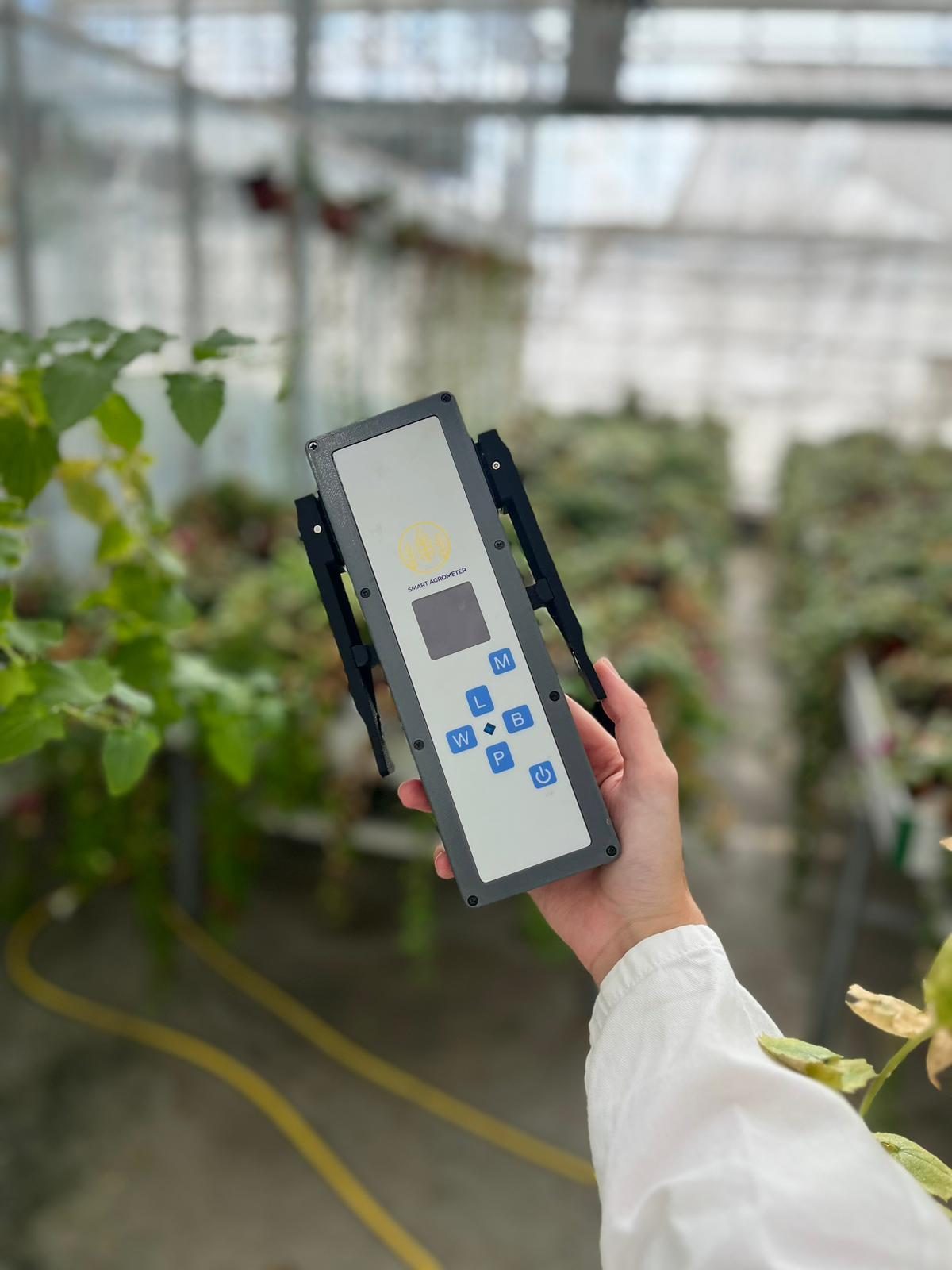
More than 15 years of work – and now, in the field, you find out within seconds which nutrient your crop is missing most. The handheld device was built by agronomists, mathematicians and electronics engineers, and it is ready for your fields.
Our trial
12 deficiencies. Could you tell them apart by eye?
The same winter wheat trial: each plant was missing one nutrient. Choose a nutrient and move the slider – on the left a plant that received all nutrients, on the right one that lacked it. In the field, where all plants look alike, the eye often misses such differences. SmartAgrometer shows the deficiency in numbers.
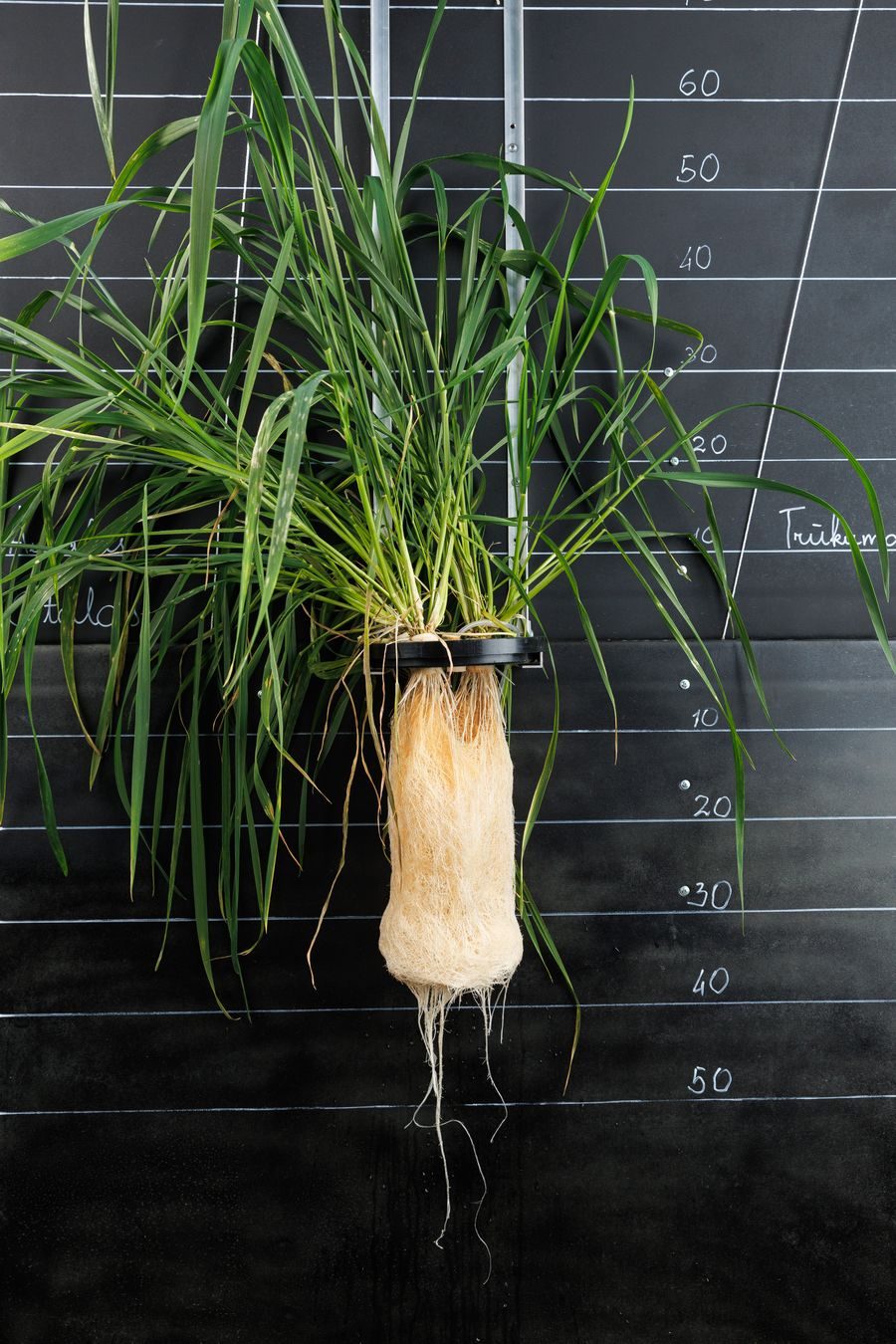
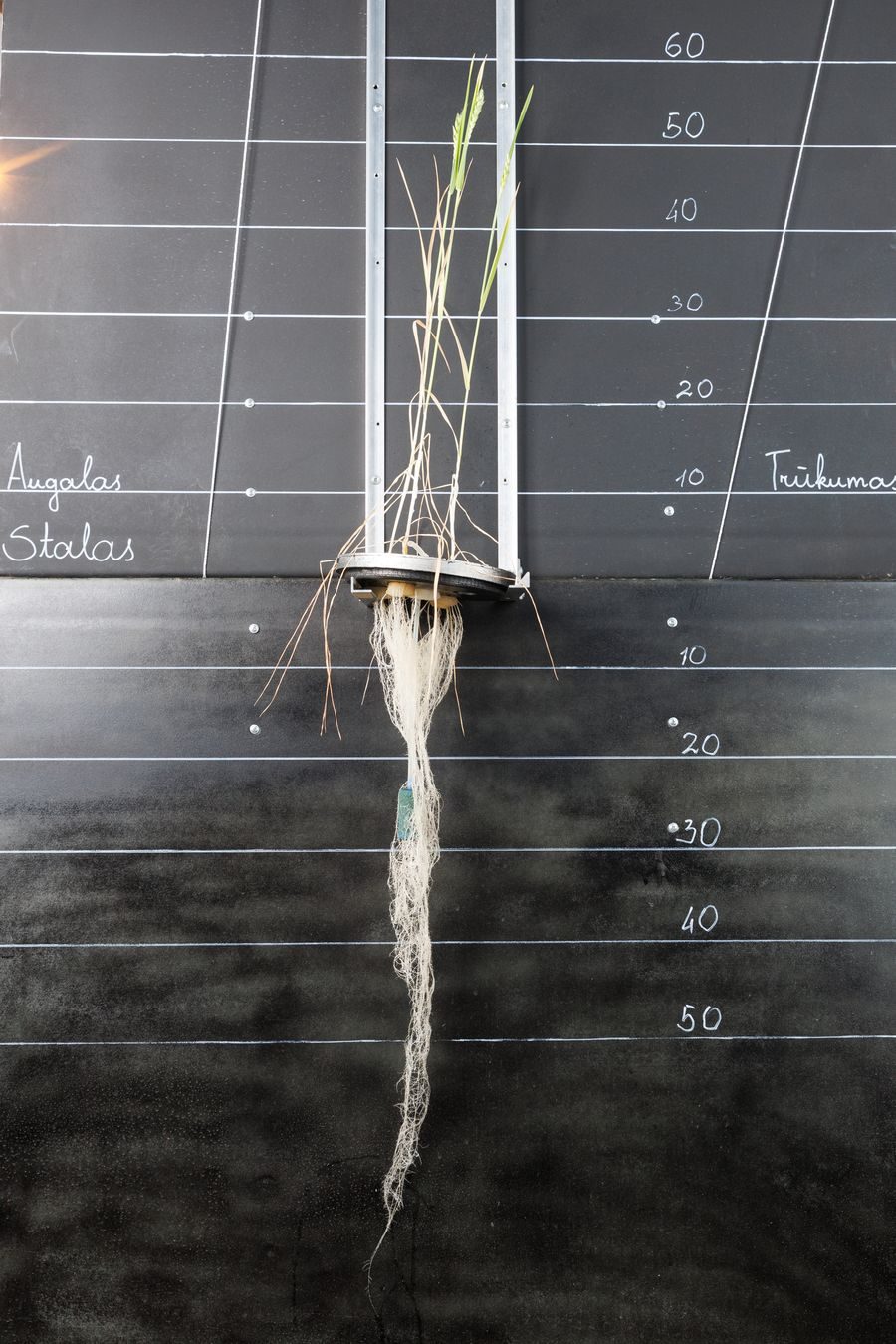
The plant grows more slowly, leaves are pale green or yellowing. Older leaves yellow first – the plant “moves” nitrogen to younger ones. Fewer tillers and ears, smaller grains.
One plant is not a field yet. In the field, such differences are masked by variation in soil, variety and weather, so a measurement shows a deficiency more reliably than the eye.
All 12 nutrients and the study →One system, three parts
The device measures, the algorithm evaluates, the portal tells you what to do.
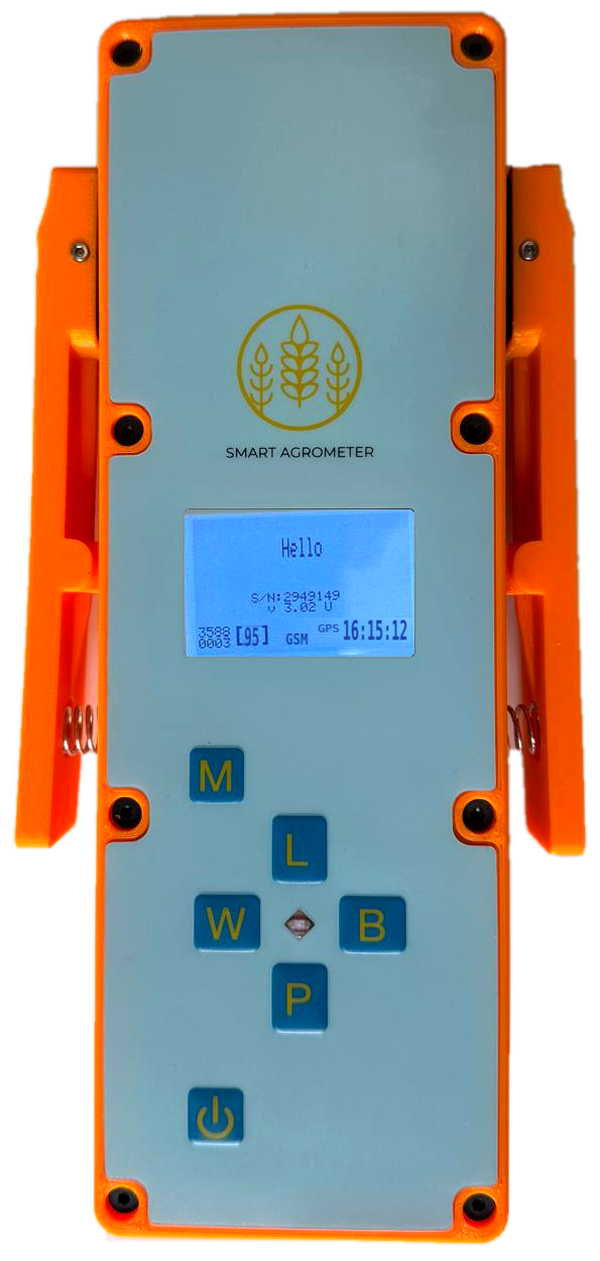
Our own patented handheld spectrophotometer
The leaf is held in a clip and measured with one press of a button. IP65 and CE certified.
85%+ agreement with the lab
Each nutrient deficiency leaves its own “signature” in the leaf reflectance spectrum. The algorithm recognises it and shows which of 12 nutrients the plant is missing most.
A recommendation for the sprayer
The farm management system shows what each field is missing and what to add to the sprayer.
Peer-reviewed study · Plants 2026
For a plant, timing matters as much as quantity
In our study, when a nutrient was missing from tillering until growth stages BBCH 30–37, some yield components did not recover even after it was supplied later. In the field, time runs even faster – so a deficiency has to be measured, not waited for until you can see it.
Proven in science and in the field
Nitrogen, phosphorus and calcium deficiency slowed growth the most
A longer deficiency left effects that later fertilisation could no longer fix. That is why it matters not only how much, but also when.
Read the article →85%+ agreement with chemical plant analysis
Measurements were compared with laboratory chemical plant analyses – the results agree in more than 85% of cases.
How we tested →On farms in Lithuania and Latvia, at the University of Tartu
On one Lithuanian farm, fertilising according to the measurements raised wheat yield from 7–8 to 9 t/ha over two seasons.
About us →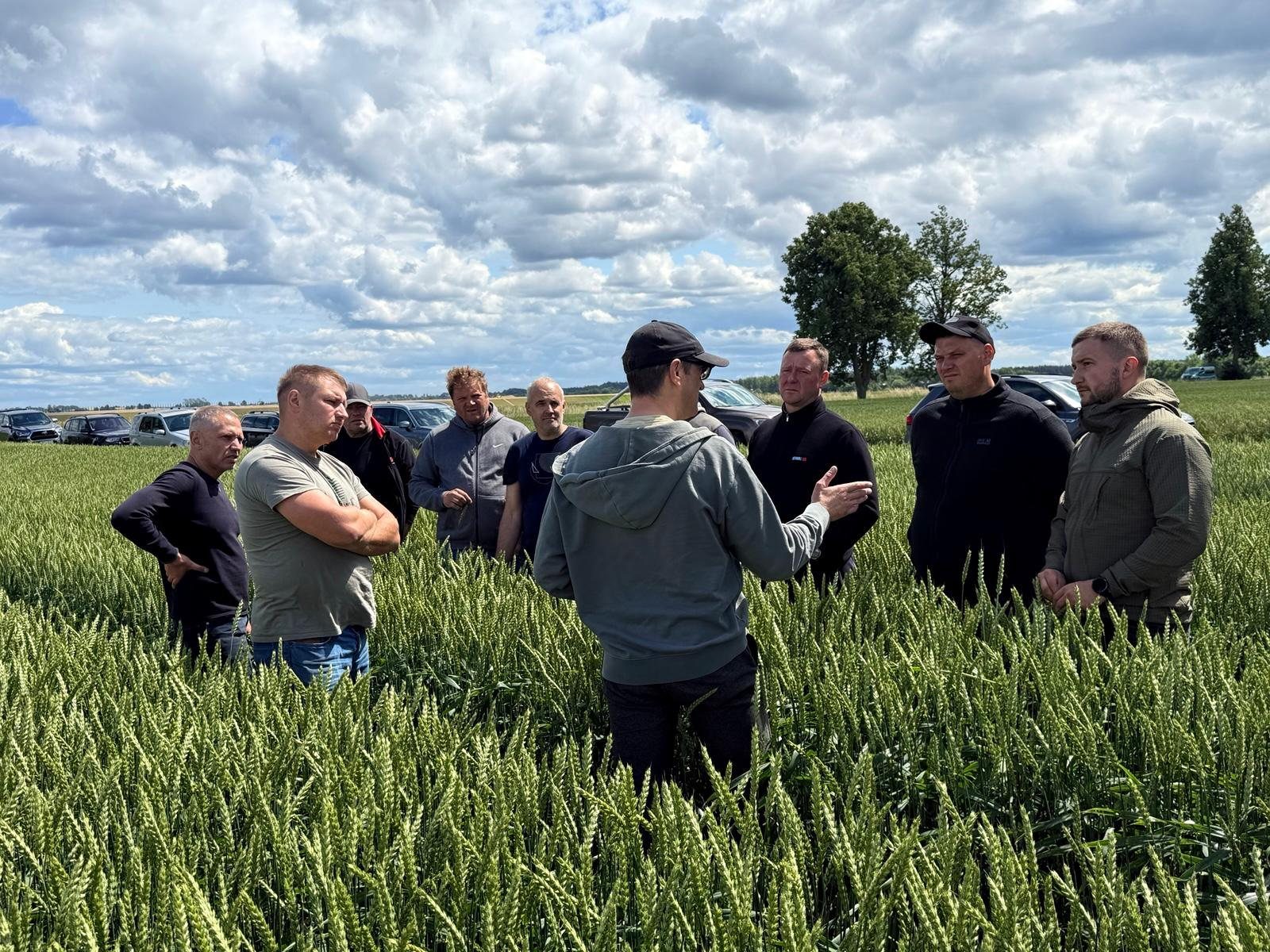
What farmers say
After 5 years of continuous collaboration with Žemdirbių Konsultacijos, my farm has never been better.
Spectral diagnostics helped cut fertiliser costs, and the advice is backed by research.
I used to fertilize my fields based on the recommendations provided by distributors.
After four seasons, yields and finances improved, and the farm started moving to precision farming.
We felt desperate – our knowledge was not enough, local agronomists couldn't help.
Instead of “apply more”, the farm learned to plan fertilisation around what is actually missing.